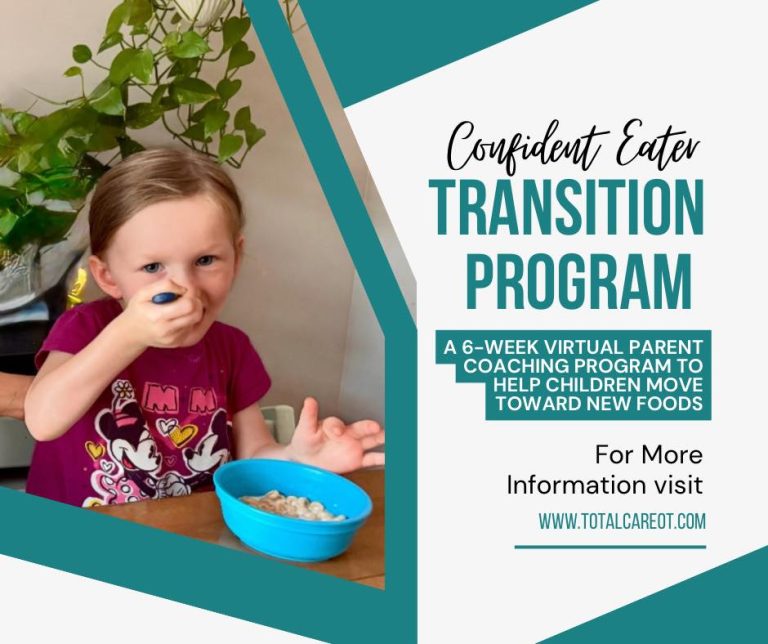
This program is designed for parents of children ages 1–6 who are struggling with mealtime — whether that means an extremely limited food repertoire, daily power struggles, or anxiety for both parent and child at the dinner table.
Eats a very limited variety of foods
Refuses new textures, temperatures, or mixed foods
Gags, spits out, or melts down when presented with new foods
Feels anxious, frustrated, or unsure how to help
Waiting for feeding therapy or Early Intervention services
Wants OT-informed, sensory-based strategies to use at home
🚫 This program is not appropriate for:
Tube feeding or significant medical feeding disorders
Swallowing safety concerns (dysphagia)
What you'll gain in 6 weeks
By the end of the program, parents have practical tools — not just information — to build calmer mealtimes and steady food progress at home.
Understand the "why" Learn why your child struggles with food transitions — sensory, oral motor, or behavioral roots.
Calm, predictable routines Build mealtime structure that reduces anxiety for both your child and you.
Lower the pressure Shift away from force, bargaining, and bribing — and toward approaches that actually work.
Confident next steps Introduce new foods step-by-step with a personalized food transition plan.
How the program works
100% Virtual · Parent-Led · Sensory-Informed
Sessions are conducted over Zoom and are built around your child's specific profile — sensory sensitivities, food comfort zone, mealtime environment, and your family's routine. You don't need any special equipment or prep work before starting.
Weekly 1:1 Zoom sessions 45 minutes each, 6 sessions total — structured, focused, and action-oriented.
Individualized food transition plan Built for your child's specific comfort zone and sensory profile.
Weekly parent action steps Concrete, manageable steps to try at home between sessions.
Email support Reach out between sessions when questions come up — you're not alone.
Week-by-week curriculum
Each session builds on the last — from foundational understanding through to a long-term sustainability plan you can continue after the program ends.
Understanding the difference between pressure and progress
Identifying your child's food comfort zone
Week 2
Mealtime Environment & Routine
Seating, posture, timing, and structure
Predictable routines that reduce anxiety
Parent language that builds eating confidence
Week 3
Food Exploration (Without Eating)
Steps to eating: visual tolerance → touch → taste
Play-based food exposure strategies
Removing fear and anxiety from new foods
Week 4
Texture & Variety Transitions
Moving from preferred foods to similar foods
Texture shaping and food chaining (education-based)
Managing gagging vs. refusal
Week 5
Emotional Regulation at Mealtime
Co-regulation strategies during meals
Responding to refusal without power struggles
Supporting autonomy while maintaining structure
Week 6
Sustainability & Progress
Tracking progress the right way
Creating a long-term food transition plan
When and how to seek therapy support if needed
What's included
📅 Coaching Sessions
6 weekly 45-minute Zoom sessions
1:1 parent coaching — no group settings
Final progress review + maintenance plan
📋 Personalized Plan
Individualized food transition roadmap
Weekly parent action steps
Email accountability & support between sessions
🖨️ Printable Tools
Steps-to-Eating chart
Food chaining visuals
Mealtime routine guide
Parent language scripts
✅ Ongoing Support
Between-session email support
Progress summary at program end
Guidance on next steps if therapy is needed
Investment
Pricing is available upon inquiry. Email sadera@totalcareot.com to learn more, or book a free 15-minute Feeding Clarity Call to determine if the program is the right fit for your family.
Book a free 15-minute Feeding Clarity Call — no commitment required.
Determine if coaching is the right fit for your child's needs and goals.
Enroll and begin within 1–2 weeks.
Common questions
This program is for parents of children ages 1–6 who eat a very limited variety of foods, refuse new textures or temperatures, gag or have meltdowns at mealtimes, and want OT-informed strategies they can use at home — including families waiting for formal feeding therapy.
No. This is a parent education and coaching program. It does not replace feeding therapy, medical evaluation, or swallowing assessments. It is best suited for families who want practical strategies at home, or who are on a waitlist for formal services.
Week 6 of the program specifically addresses when and how to seek formal therapy support. If it becomes clear during the program that your child needs more intensive services, guidance on the appropriate next steps is part of what's provided.
Picky eaters typically accept a decent range of foods but prefer certain ones. Problem feeders often have a sensory or physiological basis for their refusal — they may gag, panic, or become severely distressed at foods outside a very narrow range. The Feeding Clarity Call is the right place to start if you're unsure.
⚠️
Coaching Disclaimer: This program provides education and parent coaching only. It does not replace feeding therapy, medical care, or swallowing assessments. If you have concerns about your child's swallowing safety or significant medical feeding needs, please consult your pediatrician or a speech-language pathologist first.
Ready to get started?
Book a free 15-minute Feeding Clarity Call — no pressure, no commitment.